How Often to Water Houseplants: The Beginner's Complete Guide
Last updated: June 2026
More houseplants die from a watering can than anything else, and almost always from too much, not too little. That is the single most useful sentence in indoor plant care. If you remember nothing else from this guide, remember that — and then come back when you want the per-plant numbers.
The honest answer to "how often should I water my houseplants" is that there is no calendar answer. The same pothos can need water once a week in July and once every three weeks in January. That's not unhelpful advice — that's the whole skill. What beginners actually need is a sensible starting point per plant, a fast way to confirm the plant is thirsty before they pour, and a clear picture of what overwatering and underwatering look like before they become fatal. That's exactly what this guide gives you.
We'll start with a per-plant watering chart for the ten most common beginner houseplants, then cover the three soil-check methods that beat any schedule, then the warning signs in both directions, and finish with seasonal adjustments, pot type, and water quality.
Why There's No Single "Water Every X Days" Rule
Watering frequency is the output of six variables, not a number you can memorize:
- Plant species. A succulent and a fern are doing two completely different jobs.
- Pot size. A 4-inch pot dries in days; a 14-inch pot can hold moisture for weeks.
- Pot material. Terracotta breathes and dries fast. Plastic and glazed ceramic hold water far longer.
- Light level. A plant in a bright south window drinks two to three times faster than the same plant in a dim corner.
- Season. Most houseplants are in active growth in spring and summer and semi-dormant in fall and winter.
- Humidity and temperature. A 72°F apartment with the heat running in February is brutally dry. A humid kitchen in July is not.
This is why every "water every 7 days" schedule fails. It works in March, kills the plant in November, and starves it in August. The fix isn't a better schedule — it's checking before you pour. The chart below gives you a starting frequency, then the next section gives you the 30-second check that confirms whether your plant actually needs it.
Houseplant Watering Frequency by Plant Type (Quick Reference)
These are starting points for a plant in a standard 6-inch pot, in a room with average indoor light. Always confirm with the soil check before you water — the numbers are a planning guide, not a rule.
| Plant | Water frequency (spring/summer) | Water frequency (fall/winter) | Water when… | Overwatering risk |
|---|---|---|---|---|
| Pothos | Every 7–10 days | Every 14–21 days | Top 1–2 inches of soil are dry | High |
| Snake plant | Every 14–21 days | Every 28–42 days | Soil is dry 2 inches down | Very high |
| ZZ plant | Every 14–21 days | Every 21–35 days | Soil is dry 2 inches down | Very high |
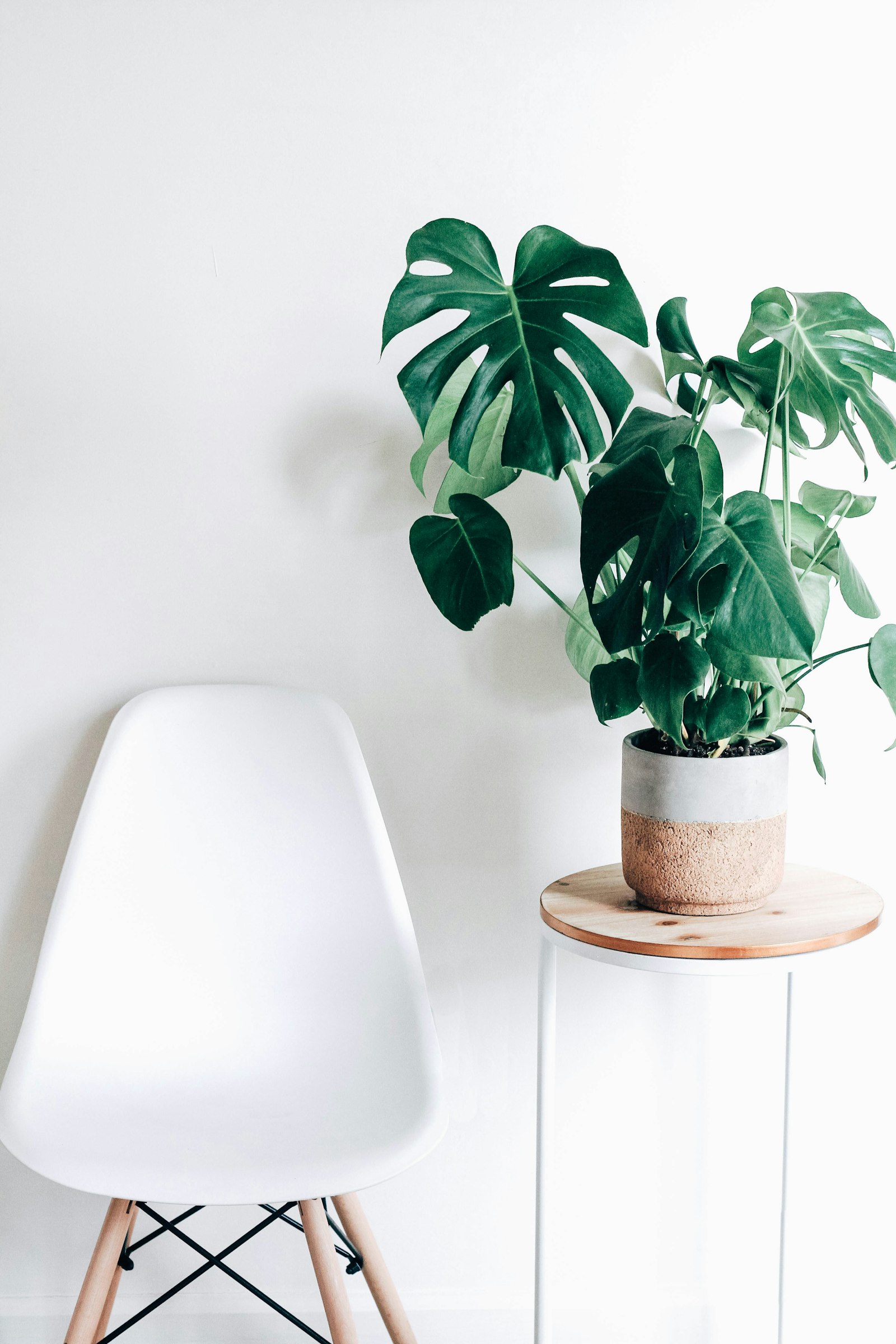
| Monstera deliciosa | Every 7–10 days | Every 14–18 days | Top 2 inches of soil are dry | Medium |
| Peace lily | Every 5–7 days | Every 10–14 days | Top inch is dry (or leaves start to droop) | Medium |
| Spider plant | Every 7–10 days | Every 14–18 days | Top 1–2 inches are dry | Medium |
| Fiddle leaf fig | Every 7–10 days | Every 14–21 days | Top 2 inches are dry | High |
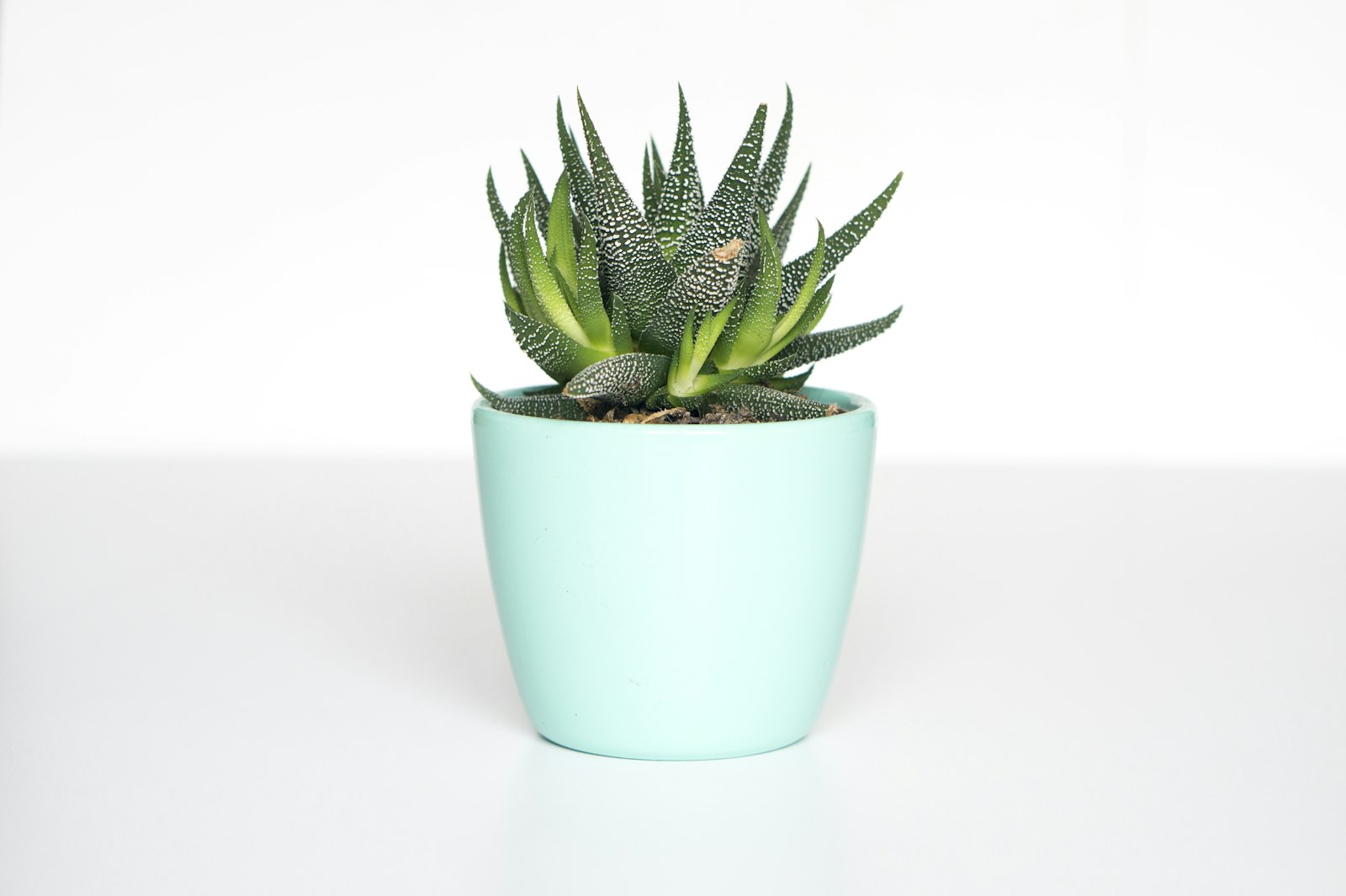
| Succulents & cacti | Every 14–21 days | Every 4–6 weeks | Soil is bone dry top to bottom | Very high |
| Aloe vera | Every 14–21 days | Every 4–6 weeks | Soil is bone dry top to bottom | Very high |
| Indoor herbs (basil, mint) | Every 2–4 days | Every 5–7 days | Top half-inch is dry | Low |
A few notes on how to read this. The summer column assumes longer days and active growth. The winter column accounts for shorter days, cooler temperatures, and the fact that most houseplants slow down or stop growing entirely. If your plant lives in a terracotta pot or a very bright window, lean toward the more-frequent end of the range. If it lives in a plastic pot in a dim corner, lean toward the less-frequent end.
For a deep dive on the trickiest plant on this list — herbs — see our guide to growing herbs indoors for beginners, where the difference between thriving basil and a wilted pot of stems usually comes down to two waterings a week.
The Only Reliable Method: Check Before You Water
Forget the schedule. The schedule is a placeholder until you learn the check. There are three reliable ways to know whether a plant actually needs water.
The Finger Test (free, works on most pots)
Push a clean finger into the soil up to your second knuckle, roughly 1 to 2 inches deep. If it comes out dry, water. If you feel cool moisture, wait two or three days and check again. This is the single most useful skill in indoor gardening, and it takes ten seconds.
A caveat: the finger test only tells you about the top of the pot. In a deep planter, the bottom can still be soaking wet when the top feels bone dry. For anything taller than a 6-inch pot, use the lift test or a moisture meter instead.
The Lift Test (free, works on every pot)
Pick up the pot right after watering and remember the weight. Pick it up again two days later. The difference is almost entirely water weight. Once a pot feels noticeably lighter — usually 30 to 50 percent lighter than its just-watered weight — it's time to water. This is the trick most experienced plant people use without thinking about it, and it's reliable for any pot size.
The Moisture Meter (the beginner shortcut)
A moisture meter is a probe with a dial that shows the moisture level at root depth. You push it into the soil, read the number, and water if it says "dry." That's it. No guessing, no finger-deep soil readings on a deep pot, no remembering which plant you watered when.
If you want to remove the guesswork completely, see our tested picks in Best Moisture Meter for Houseplants: Beginner's Guide. A reliable meter costs about $10 and is the single best beginner upgrade after the plant itself.
Signs You're Watering Wrong
The plant will tell you. The trick is reading it before the damage is fatal.
Signs of Overwatering
- Yellowing leaves, especially the lower ones. Often the first sign.
- Soft, mushy stems near the soil line.
- A swampy or sour smell from the soil.
- Fungus gnats flying out of the pot when disturbed.
- Leaves dropping even though the soil is wet.
- Mold or a white crust on the soil surface.
- Slow or no new growth despite "regular care."
If you see two or more of these, stop watering immediately. Move the plant to a brighter spot, let the soil dry to at least 2 inches down before the next drink, and if you suspect root rot — black, mushy roots with a foul smell — repot into fresh, dry mix and trim the dead roots.
Signs of Underwatering
- Drooping or wilting leaves, but the soil is bone dry.
- Crispy brown leaf edges or tips.
- Soil pulling away from the sides of the pot, leaving a visible gap.
- Wrinkled, shrunken leaves on succulents or fleshy plants.
- Slow growth combined with dry soil.
Underwatered plants almost always recover within a day or two of a thorough drink. Water until you see it draining from the bottom, then water again ten minutes later if the first pass ran straight through dry soil — extremely dry soil can become hydrophobic and shed water without absorbing it.
Which Is More Dangerous?
Overwatering is more dangerous. Underwatered plants signal early and recover quickly; overwatered plants signal late and the most common cause of death — root rot — is often irreversible by the time you can see it from above. This is why "when in doubt, wait a day" is better beginner advice than "when in doubt, water." If you have to err, err dry.
How Seasons Change Everything
The same plant can need water three times as often in July as in January. Most beginners keep their summer schedule into winter and quietly drown half their collection by February.
| Plant category | Spring/Summer (active growth) | Fall/Winter (semi-dormant) |
|---|---|---|
| Tropicals (pothos, monstera, peace lily) | Water when top 1–2 inches are dry | Cut frequency by roughly half |
| Succulents & cacti | Water deeply when bone dry | Water sparingly — many need just 1–2 drinks all winter |
| Snake plant, ZZ, cast iron | Every 14–21 days | Every 4–6 weeks (some need less) |
| Indoor herbs | Frequent — sometimes every 2–3 days | Slow down by 30–50% but never let dry out completely |
| Ferns | Keep evenly moist | Reduce slightly but never let dry out |
The trigger isn't the calendar — it's day length and indoor heat. Once the clocks change and the heating comes on, the air in your home gets dramatically drier and your plants grow more slowly. Less growth means less water consumed, even though the dry air makes the soil surface feel parched. The soil 2 inches down tells the true story; trust it over the surface.
Pot Type and Size: The Other Variable
Pot material changes the math more than most beginners realize:
- Terracotta and unglazed clay breathe through the walls. Water evaporates from the sides as well as the top, and the soil dries quickly. Plants in terracotta need water roughly 30–50% more often than the same plant in plastic.
- Plastic and glazed ceramic don't breathe. Water evaporates only from the top. Soil stays wet longer, which is great for moisture-lovers and dangerous for succulents.
- Self-watering planters invert the equation — they wick water up from a reservoir on demand. The right plant in the right self-watering pot can extend your watering interval to two or three weeks.
For low-fuss collections — or anyone who travels — the best self-watering planters for indoor plants can take the daily-check problem off your hands for most of the year.
Pot size matters too. Tiny pots dry in days. Big pots take weeks. A plant that's been freshly repotted into something one size too large will sit in damp soil for weeks before it grows enough roots to drink — and that's a leading cause of root rot in well-meaning beginners. When in doubt, go up one pot size, not two.
The soil itself matters too: the right potting mix drains faster and prevents overwatering before it starts.
Water Quality — Does It Matter?
For most plants and most homes, tap water is fine. A few specifics:
- Chlorine dissipates if you let tap water sit in an open container overnight. If your water has a strong chlorine smell, this is worth doing — especially for sensitive plants.
- Softened water (from a salt-based water softener) is bad for plants. Sodium accumulates in the soil and damages roots. If your home has a softener, water plants from a kitchen tap that bypasses it, or use filtered water.
- Temperature. Room-temperature water is best. Ice-cold water from the tap can shock tropical roots.
- Sensitive plants — dracaenas, spider plants, calatheas, prayer plants — can develop brown leaf tips from fluoride in tap water. If you see this and other causes are ruled out, switch to filtered or rainwater.
That's the whole water-quality story. Don't overthink it.
Common Watering Mistakes to Skip
- Watering on a fixed weekly schedule. Number one cause of overwatering. Check first, always.
- Pouring a small amount and stopping. Water deeply until it drains from the bottom — light, frequent watering encourages weak surface roots.
- Letting the pot sit in standing water. Empty the saucer 15 minutes after watering. Roots sitting in water rot.
- Misting instead of watering. Misting raises humidity slightly but does not water the plant. Roots drink from soil, not air.
- Using ice cubes on orchids and other plants. The internet loves this trick. Plants do not. Use lukewarm water.
- Watering at night. Wet leaves and cool soil overnight invite fungal problems. Water in the morning when possible.
- Repotting a struggling plant and watering it heavily. A repotted plant has fewer functional roots and drinks less. Water lightly until new growth appears.
Frequently Asked Questions
How do I know when my houseplant needs water?
Insert your finger 1–2 inches into the soil. If it's dry at that depth, water. For pots taller than 6 inches, a moisture meter gives a more accurate reading at the root zone. The pot's weight is also a reliable cue — a thirsty pot feels noticeably lighter than a freshly watered one.
Should I water houseplants on a fixed schedule?
No. Fixed schedules are the leading cause of overwatering and houseplant death. Check soil moisture instead — the same plant can need water weekly in summer and every two to three weeks in winter. Use the chart above as a planning guide, not a rule.
Is it worse to overwater or underwater a houseplant?
Overwatering is far more dangerous for beginners. Underwatered plants usually recover within a day of a thorough drink, while overwatering leads to root rot — often fatal and difficult to reverse by the time it's visible from above the soil. When in doubt, wait a day.
How does the season affect how often I water houseplants?
Most houseplants are in active growth in spring and summer and semi-dormant in fall and winter. Expect to water roughly twice as often in summer as in winter for the same plant. The trigger isn't the calendar — it's day length and the indoor heat coming on, which slow plant growth and reduce water uptake even as the air gets drier.
Can I water houseplants with tap water?
Yes, for most plants. Let tap water sit overnight in an open container so the chlorine dissipates. Avoid softened water (sodium builds up in the soil and damages roots). For sensitive plants like dracaenas, spider plants, and calatheas — which can develop brown leaf tips from fluoride — use filtered or rainwater instead.
The One-Sentence Takeaway
Check the soil before you water, water deeply when you do, and cut your frequency roughly in half from October to March. Do those three things and you'll already be ahead of most beginners — and ahead of every "water every Sunday" schedule that ever killed a snake plant.
For the next read, see our guides on the best moisture meter for houseplants and self-watering planters that take the daily check off your hands.
Got a watering question this guide didn't answer? Drop it in the comments and we'll add it to the FAQ.